

How to Navigate Greece’s Stunning Archipelago
Greece, with its rich history, breathtaking landscapes, and shimmering turquoise waters, is one of the most sought-after travel destinations in the world. Its archipelago is a testament to natural beauty and cultural heritage, offering an endless array of islands to explore. From the vibrant nightlife of Mykonos to the tranquil charm of Hydra, the Greek islands are as diverse as they are enchanting. But navigating this stunning archipelago can seem daunting, especially if you’re unfamiliar with the ins and outs of island-hopping. This guide will help you make the most of your adventure, ensuring that your exploration of Greece’s archipelago is seamless and unforgettable.
The Allure of Greece’s Archipelago
Greece’s archipelago comprises over 6,000 islands scattered across the Aegean and Ionian Seas, of which around 227 islands are inhabited. Each island holds its own unique charm, with some famed for their rich archaeological sites, others for their pristine beaches, and still more for their traditional villages and vibrant culture. The major islands such as Crete, Rhodes, and Corfu are globally renowned, but it’s the lesser-known gems like Naxos, Folegandros, and Skopelos that truly capture the essence of Greece.
The islands in the Greek archipelago are divided into several groups, including the Cyclades, the Ionian Islands, the Dodecanese, and the Saronic Islands. Each group has its own distinct characteristics, yet all of them share the breathtaking beauty of the Greek landscape—whitewashed villages, olive groves, rugged mountains, and the clear blue sea.
If you’re planning a trip to Greece’s archipelago, the first thing you need to do is understand how to navigate these islands in a way that maximizes your time, allows you to experience the local culture, and lets you enjoy the stunning scenery.
Choosing the Right Islands to Visit
Before setting off on your adventure through Greece’s archipelago, it’s crucial to choose the islands that suit your interests. If you’re looking for history and culture, Athens and its nearby islands like Hydra and Spetses are must-visit. For a taste of traditional Greek life and rustic charm, you might want to visit the islands in the Cyclades, such as Naxos and Serifos.
The Ionian Islands are perfect for those who prefer lush landscapes and diverse architecture, while the Dodecanese islands, like Rhodes and Kos, offer a fascinating blend of ancient ruins and seaside relaxation. If you’re after vibrant nightlife and stunning beaches, Mykonos and Santorini in the Cyclades should be on your list.
However, if you prefer to avoid the crowds, consider less-visited islands like Symi, Milos, or Kasos, where you’ll find tranquility without sacrificing beauty.
Understanding Island-Hopping Logistics
Island-hopping is the most common way to explore Greece’s archipelago. It allows you to see multiple islands in one trip, each with its own charm. However, there are some important factors to keep in mind when planning your journey through this vast expanse of islands.
Ferry Services: The Lifeblood of the Archipelago
The Greek ferry system is highly efficient, with regular departures connecting most of the islands. The ferries are often the fastest and most affordable way to travel between islands. When planning your trip, it’s essential to check ferry schedules in advance, as they can vary depending on the season. In the high summer months, ferries are more frequent, but during the off-season, schedules may be limited.
Larger islands like Santorini, Mykonos, and Crete are well-connected to the mainland and other islands, while smaller islands might require longer travel times or fewer connections. In some cases, you may need to take a combination of ferries or even small boats to reach certain destinations.
It’s advisable to book your tickets ahead of time, especially if you’re traveling during the peak tourist season (June to September). Popular routes like Athens to Santorini or Mykonos can sell out quickly, so securing a spot early will ensure smooth travel.
Other Transportation Options
In addition to ferries, there are other ways to explore the Greek archipelago. You can rent a private boat to access secluded coves and less-visited islands, which allows for a more personalized experience. Many islands also offer local transportation like buses, taxis, and car rentals for getting around once you’ve arrived.
For the more adventurous traveler, sailing is a popular way to navigate Greece’s archipelago. With numerous yacht charter services available, you can rent a boat and either sail it yourself (if you have experience) or hire a skipper for a more relaxed journey. Sailing between islands gives you the chance to stop at hidden beaches and remote islands that are inaccessible by ferry.
Best Time to Visit the Greek Archipelago
The Greek archipelago is a year-round destination, but the best time to visit depends on what kind of experience you want.
High Season (June to August)
Summer is the peak season, and the islands are bustling with tourists. The weather is hot and dry, making it ideal for beach lovers and those who want to enjoy Greece’s lively atmosphere. However, be prepared for higher prices and crowded attractions. If you enjoy vibrant nightlife, festivals, and bustling streets, this is the time to be in the archipelago.
Shoulder Season (May and September to October)
The shoulder seasons, particularly May and September to October, are often considered the best times to visit. The weather is still warm, but the crowds are thinner, and prices are more affordable. This is also when the islands are at their most charming, with clear skies, pleasant temperatures, and fewer tourists crowding the sights.
Off-Season (November to April)
If you prefer peace and solitude, the off-season is the best time to visit the archipelago. While some islands might be quieter, it’s still possible to enjoy Greece’s rugged beauty and historical sites. However, ferry schedules can be limited, and certain businesses or attractions may close for the winter.
Exploring the Unique Landscapes of Greece’s Archipelago
Greece’s archipelago is known for its stunning landscapes, each island offering something different. While the beaches are world-famous, the islands also offer incredible hiking, cycling, and exploration opportunities.
Pristine Beaches and Crystal Clear Waters
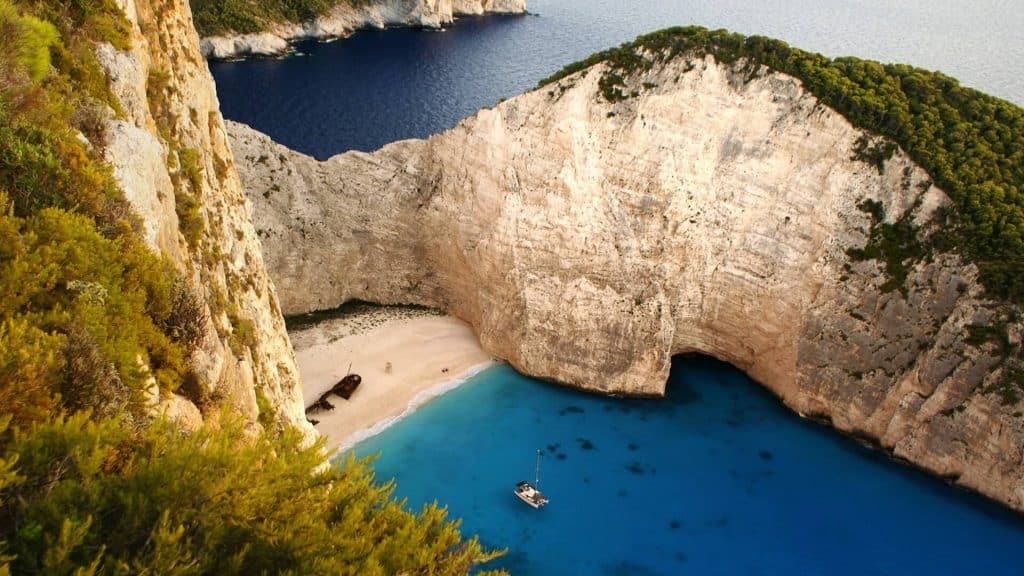
The beaches of the Greek islands are legendary. From the black sands of Santorini to the white pebbles of Navagio Beach in Zakynthos, you’ll find endless options for sunbathing, swimming, and watersports. Some beaches are only accessible by boat, so a day trip by yacht or a private boat is a fantastic way to explore hidden coves and remote shores.
Mountainous Terrain and Scenic Hikes
For those seeking adventure beyond the beaches, the islands’ rugged mountains and hills offer exceptional hiking opportunities. Mount Zeus on Naxos is one of the highest peaks in the Cyclades and provides panoramic views of the surrounding islands. Similarly, the island of Crete has several spectacular hiking trails, such as the famous Samaria Gorge.
Traditional Villages and Ancient Ruins
Each island in the archipelago boasts its own unique villages, often built on hillsides with narrow streets and whitewashed houses. These charming settlements are perfect for leisurely exploration, where you can wander through cobblestone streets, sample local delicacies, and visit ancient ruins.
Embracing the Culture and Cuisine of the Islands
Exploring the Greek archipelago isn’t just about the landscapes; it’s also about immersing yourself in the local culture and cuisine. Greek food is known for its fresh ingredients and simple flavors. From souvlaki to moussaka and baklava, each island has its own culinary traditions.
Don’t miss the chance to try local specialties, whether it’s fresh seafood in the Cyclades, olives in Crete, or the famous mastic-flavored products of Chios. Many islands also host annual festivals, where you can experience traditional music, dancing, and local celebrations.
Practical Tips for Navigating the Greek Archipelago
- Pack light: Many islands have narrow streets that can be difficult to navigate with heavy luggage. A lightweight bag with essential items is ideal for island-hopping.
- Bring cash: While most places accept cards, smaller islands and shops may only accept cash, so it’s wise to have euros on hand.
- Stay hydrated: The Mediterranean sun can be intense, especially in summer, so drink plenty of water and wear sunscreen.
- Respect the local culture: Each island has its own customs and traditions. Be sure to ask locals for advice and follow their lead in terms of behavior and dress.
Conclusion
Navigating Greece’s stunning archipelago offers an experience like no other, blending natural beauty, rich history, and vibrant culture. Whether you’re island-hopping by ferry or chartering a yacht, the islands offer endless opportunities for exploration and relaxation. By choosing the right islands to visit, understanding the logistics of island-hopping, and immersing yourself in the local culture, you can experience all that the Greek archipelago has to offer. Your journey through these islands will not only be an exploration of the land but also a journey into the heart of Greece itself.